Overview
DynaCare covered a wide range of personal care and healthcare products, but not every product was being sold in the same way.
Some products remained focused on B2B healthcare environments, while others were being moved into e-commerce and B2C. That meant we could not treat the entire line with one approach. The packaging needed to stay connected as a brand while also responding to very different audiences and sales environments.
The existing DynaCare packaging had a more institutional feel. As the line evolved, the goal was to modernize the overall brand while deciding which products needed to remain straightforward and clinical and which needed a stronger consumer presence.
My Role
I was managing the Graphics team, but I was also acting as the project manager for the packaging updates.
I coordinated timelines, kept communication moving across departments, reviewed the work with the designers, and helped move projects through the approval process.
For products moving into B2C, I also handled the market research. I looked at competing products, how they were positioned, what consumers were seeing within each category, and what information was being used to help sell the product.
I used that research to develop the marketing content and benefit messaging that was needed for the consumer-facing packaging. I also worked closely with Regulatory to make sure the claims and content I developed were accurate and approved before they were used.
Throughout the project, I contributed my own design recommendations and helped guide the team through the different directions required for B2B and B2C.
One Brand, Two Audiences
DynaCare had to work for two different audiences. Some products remained in professional healthcare, where clarity and product identification were the priority. Others were moving into e-commerce, where the packaging also needed to communicate benefits and compete for consumer attention.
Products staying within professional healthcare channels did not need the same kind of marketing language or emotional connection as products being sold directly to consumers. Those packages still needed to feel current and professional, but clarity and product identification remained the priority.
Products moving into e-commerce had a different job. They needed to communicate benefits quickly, feel appropriate within their category, and give consumers more of a reason to engage with the product.
That created two distinct creative directions within the larger DynaCare brand.
The B2B Direction
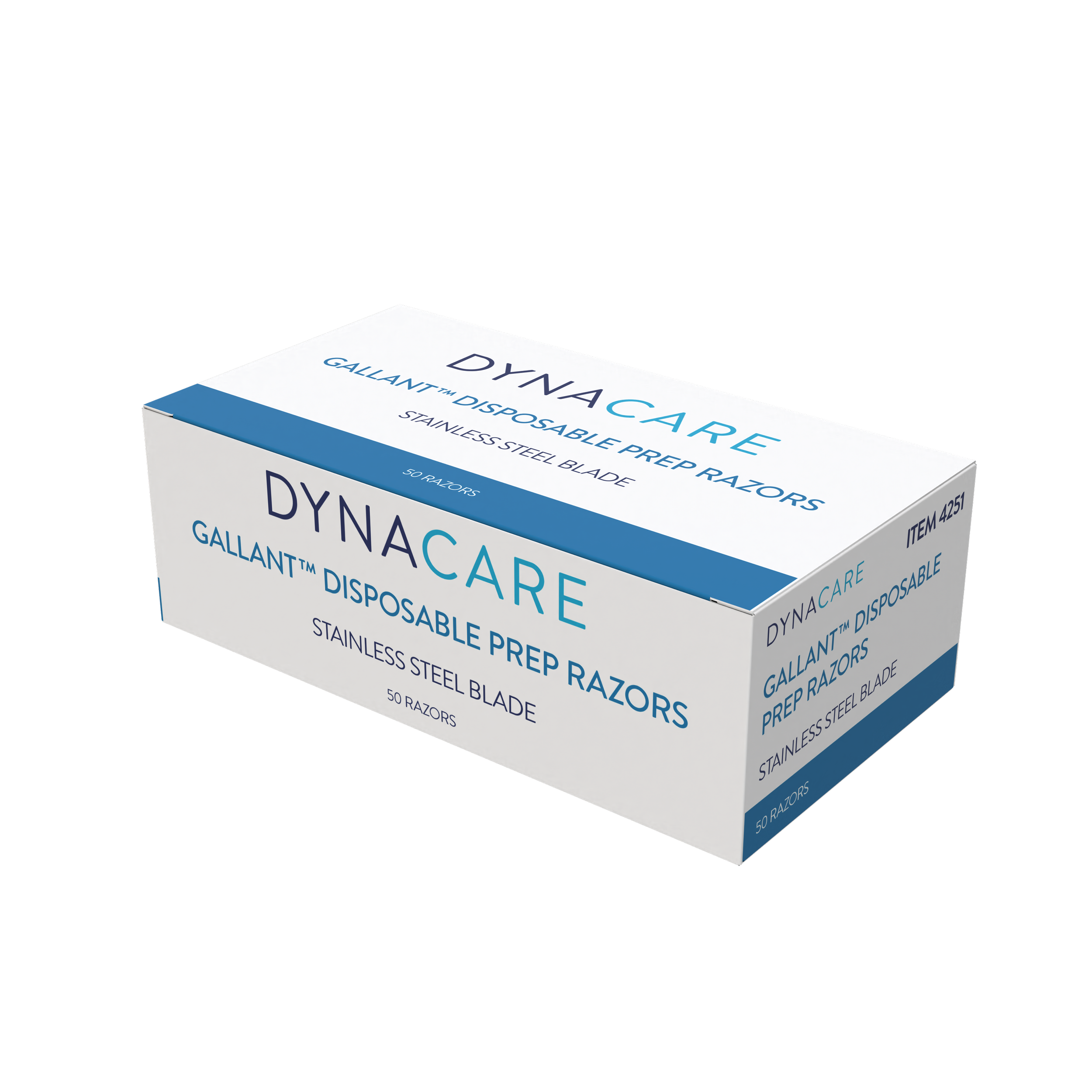
For products remaining in B2B, the focus was on cleaning up the existing system without turning it into consumer packaging.
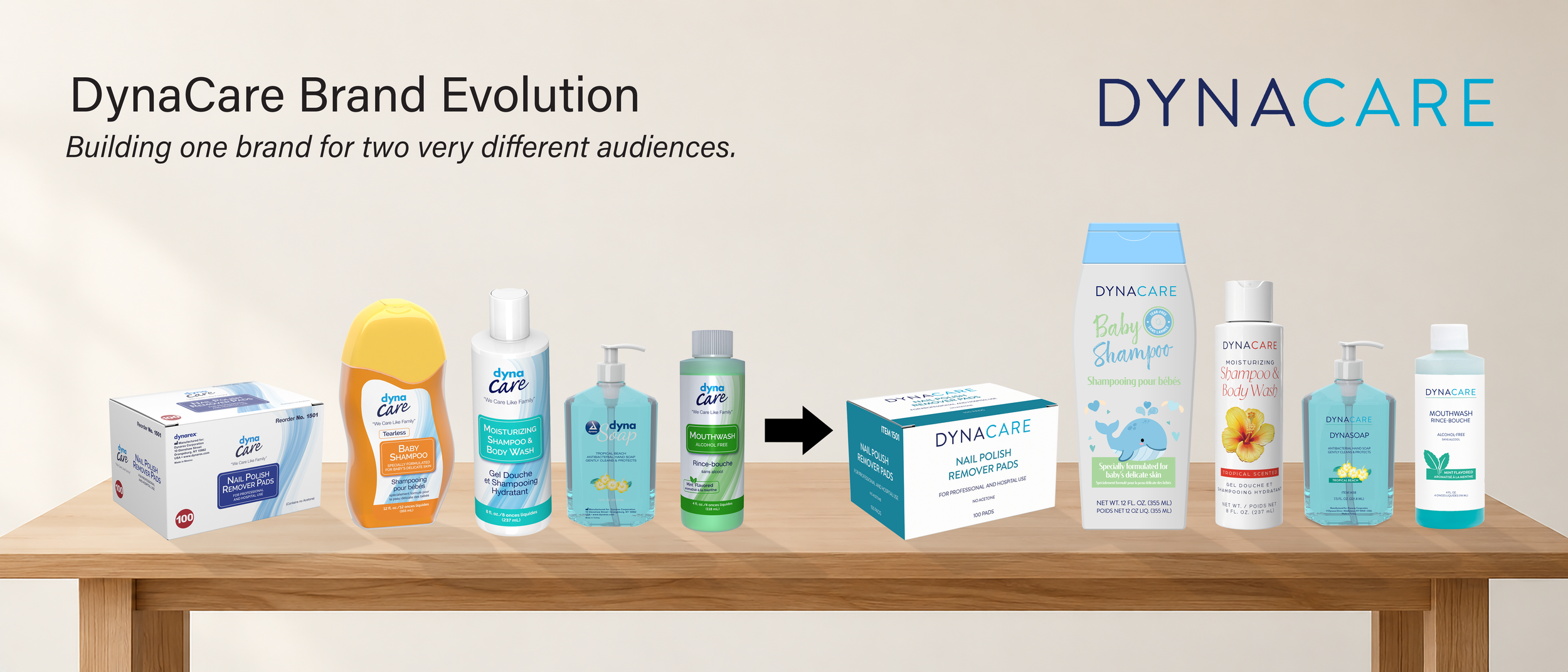
The earlier DynaCare designs were very clinical and institutional, with heavy gradients, waves, boxed information, and limited visual hierarchy. They worked functionally, but the overall presentation had become dated.
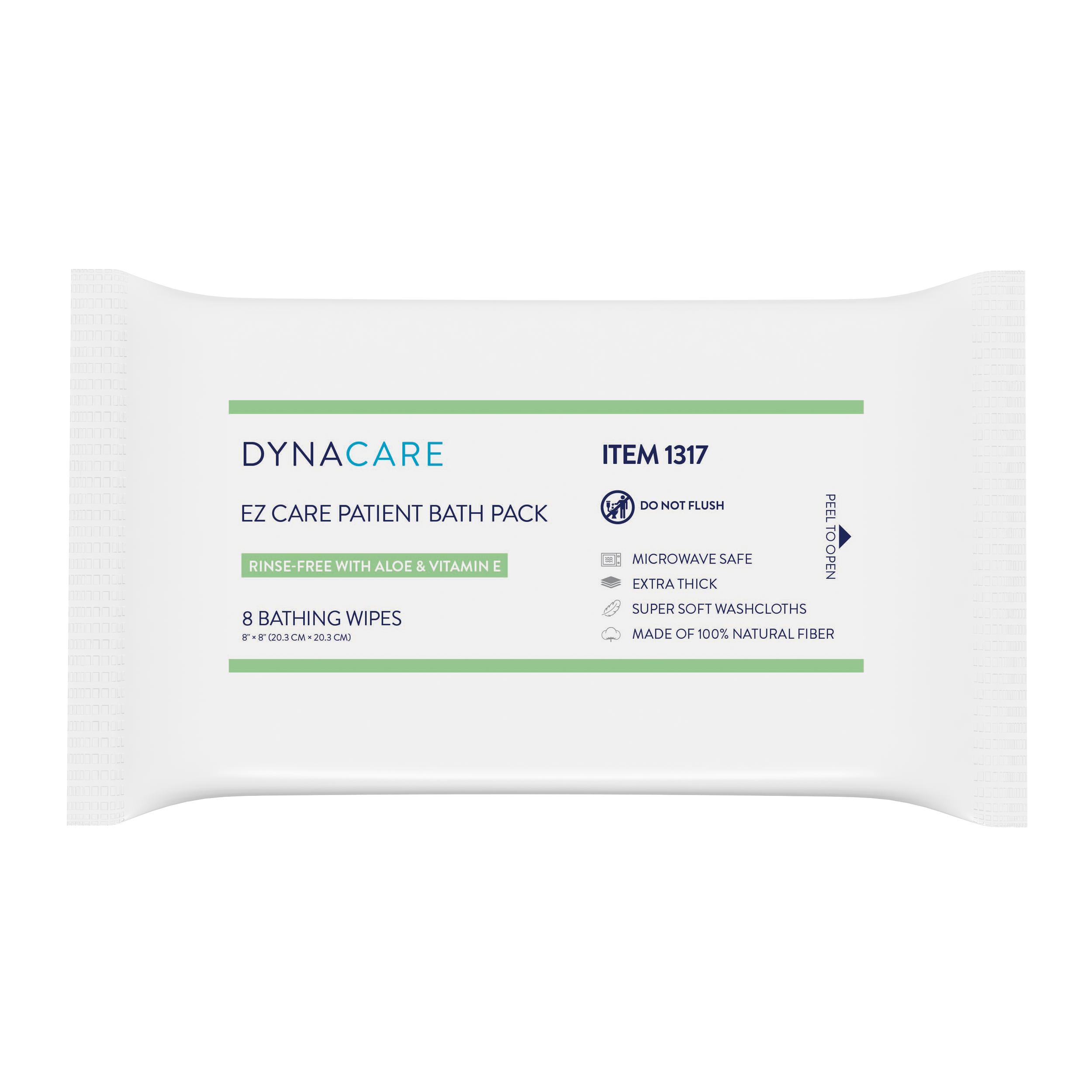
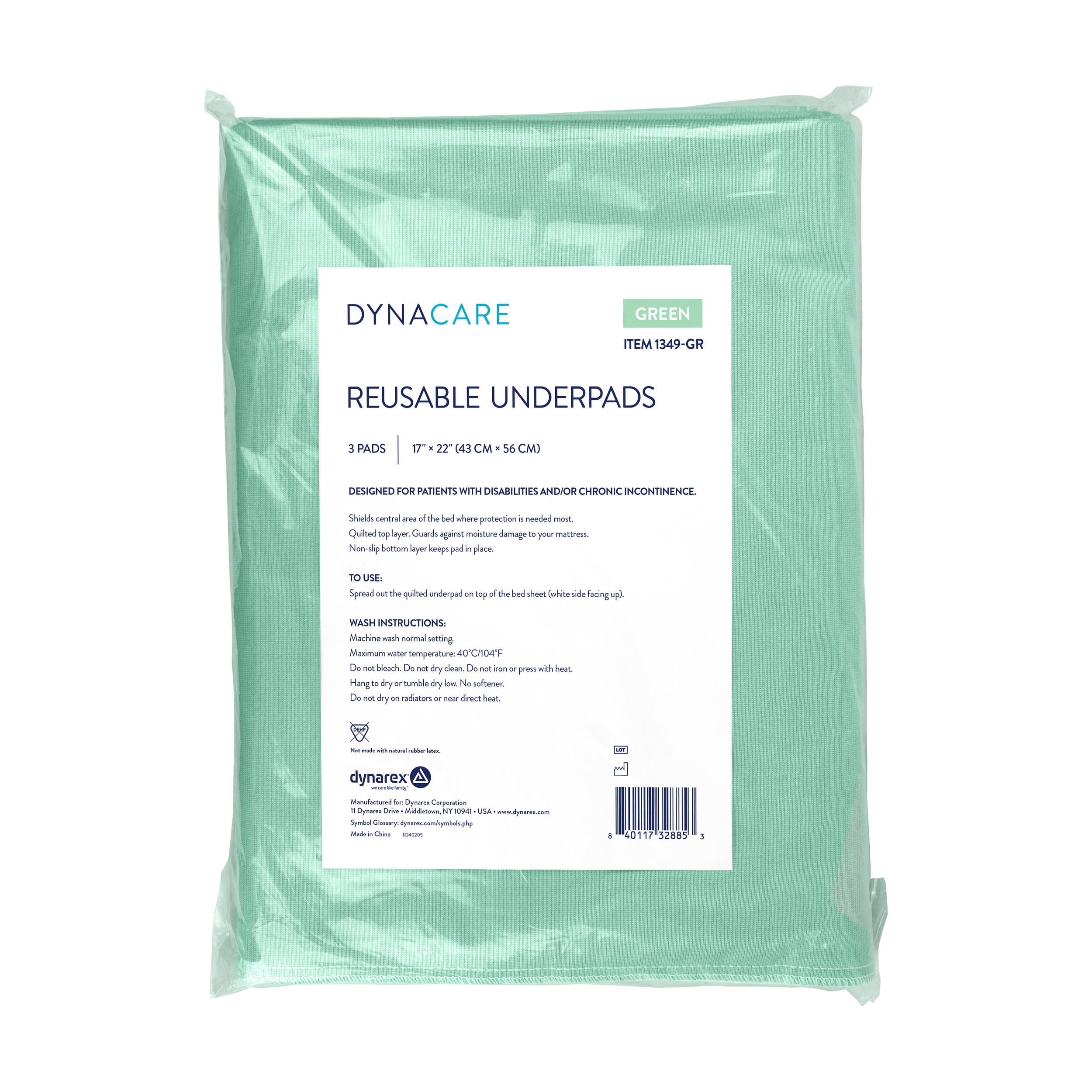
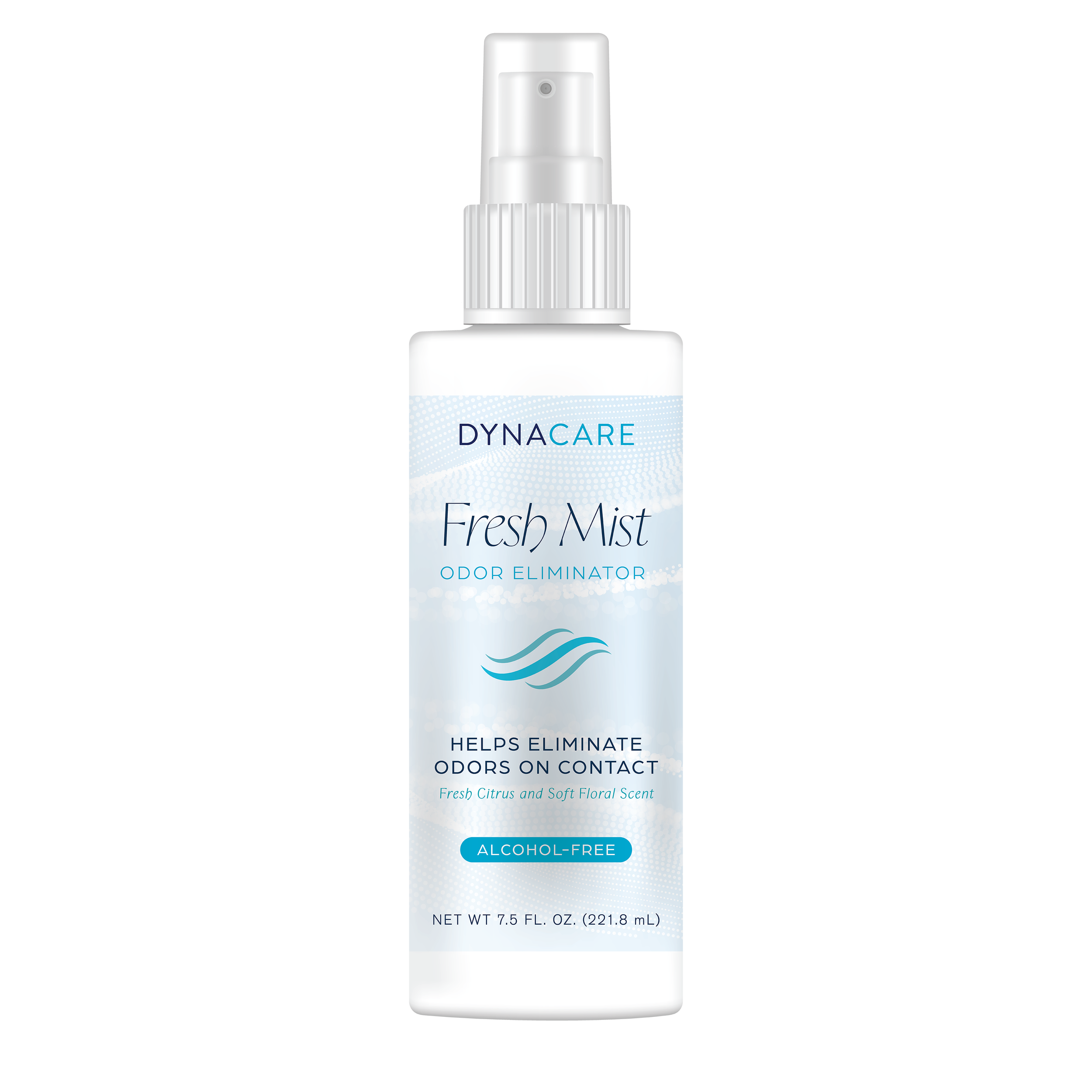
The updated B2B direction focused on cleaner layouts, better hierarchy, more controlled use of color, and stronger consistency across the line.
For these products, I worked closely with the COO, who acted as creative director and had final approval on the B2B direction. I contributed design feedback and recommendations while managing the team and making sure the approved direction could work across the larger product line.
Moving Selected Products into B2C
Other DynaCare products were being moved into e-commerce, and those needed a much bigger shift.
The packaging was no longer just identifying a product. It needed to help sell it.
For those products, I researched the category and competing brands to understand what consumers were already seeing and what made products stand out. I looked at messaging, benefit callouts, imagery, color, hierarchy, and the overall presentation of the category.
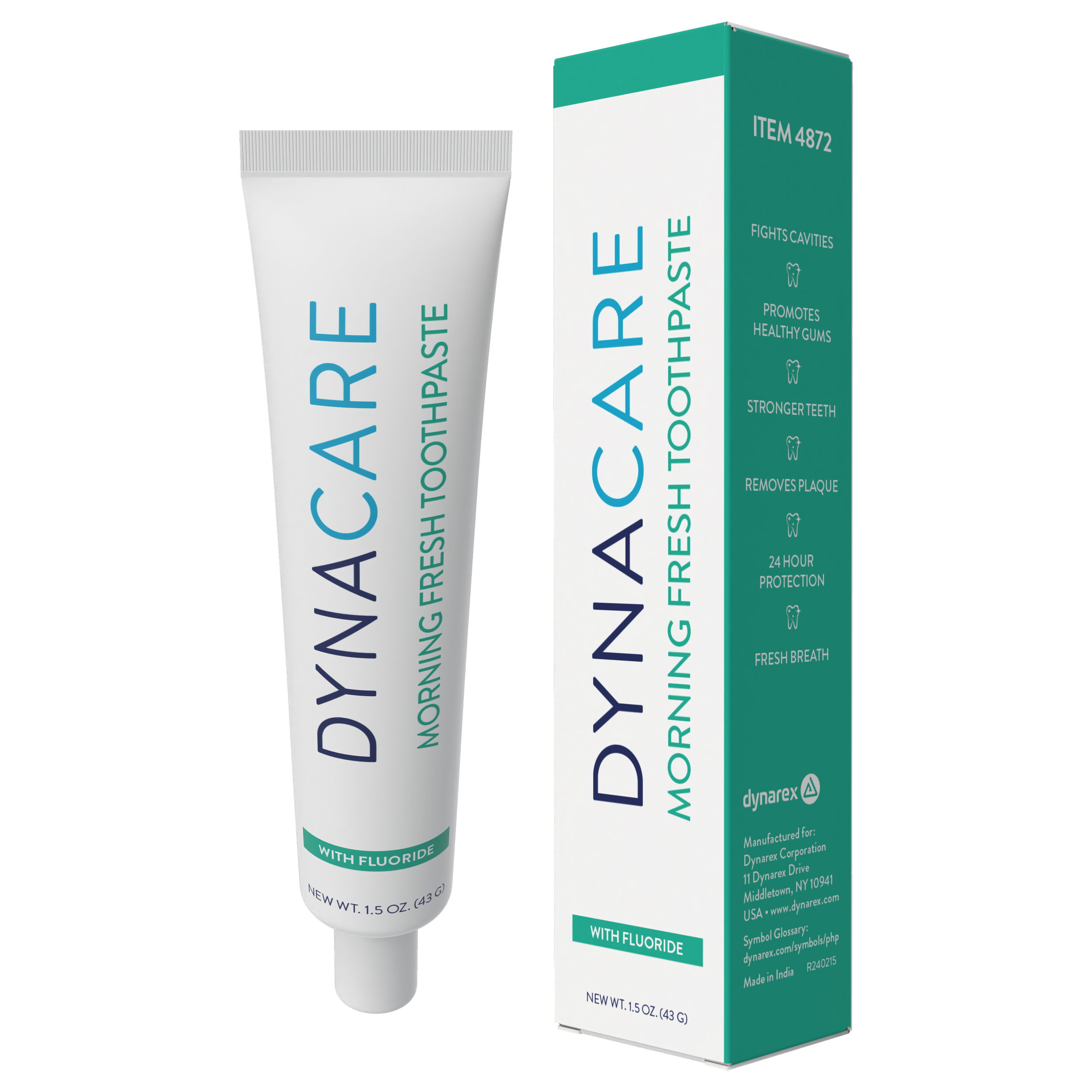
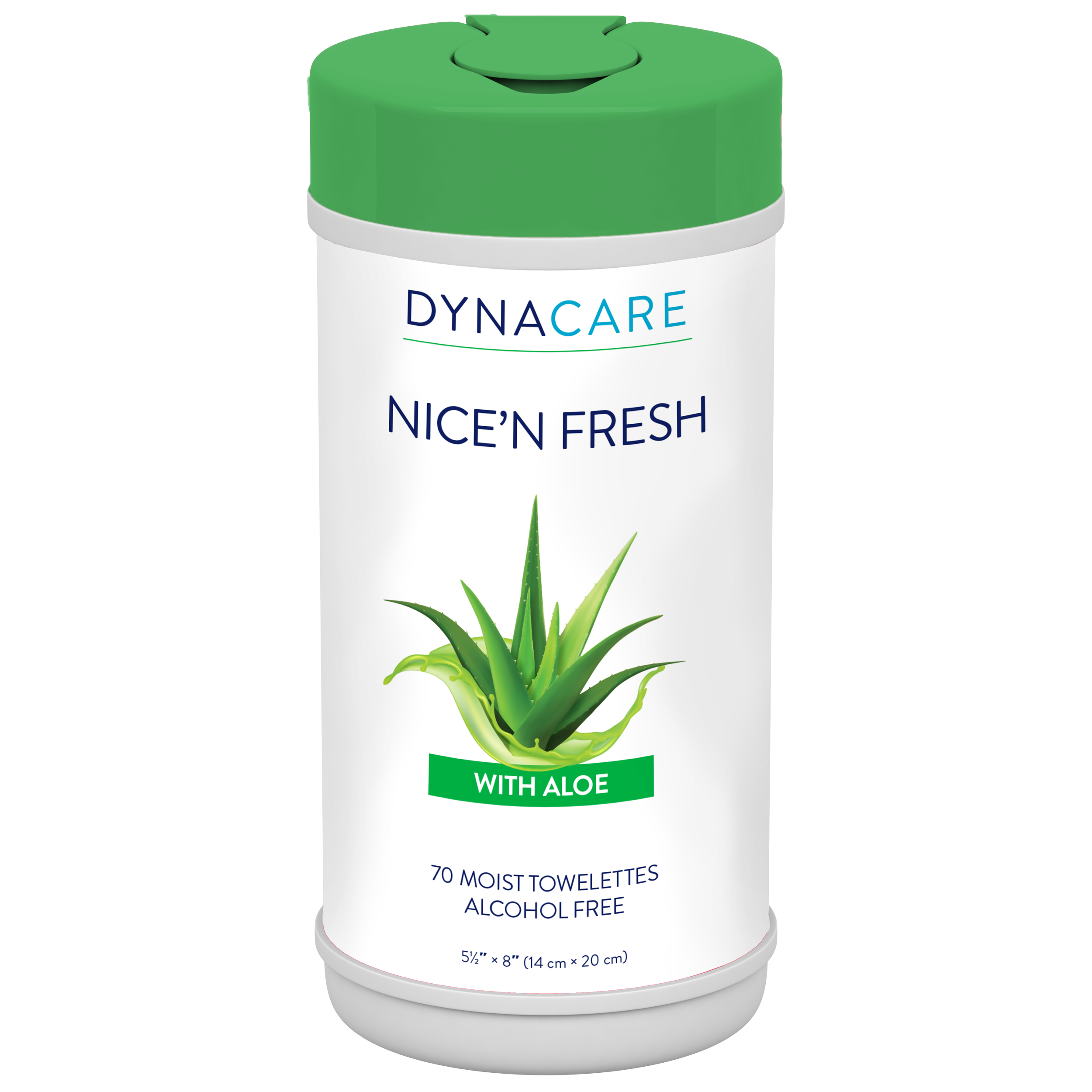
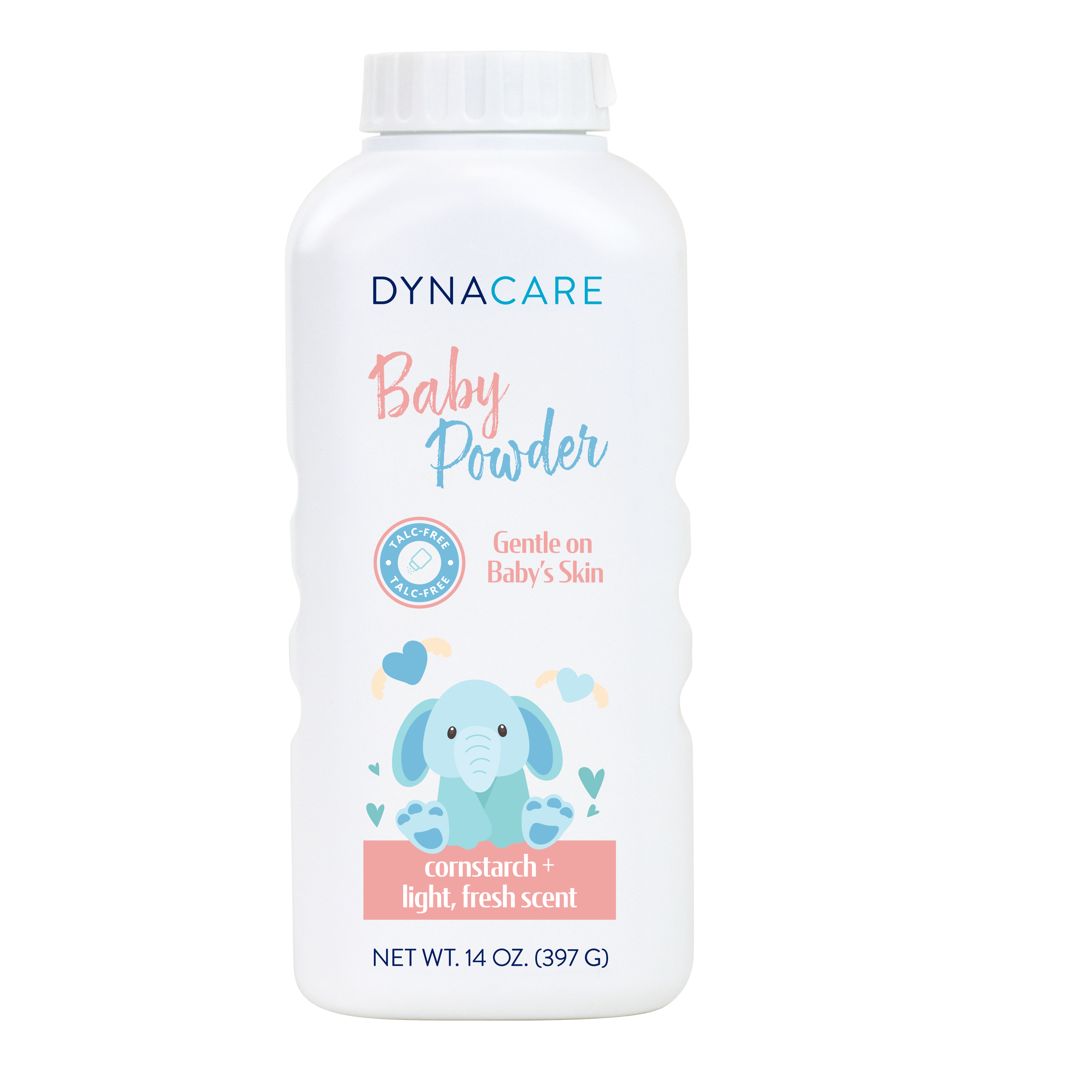
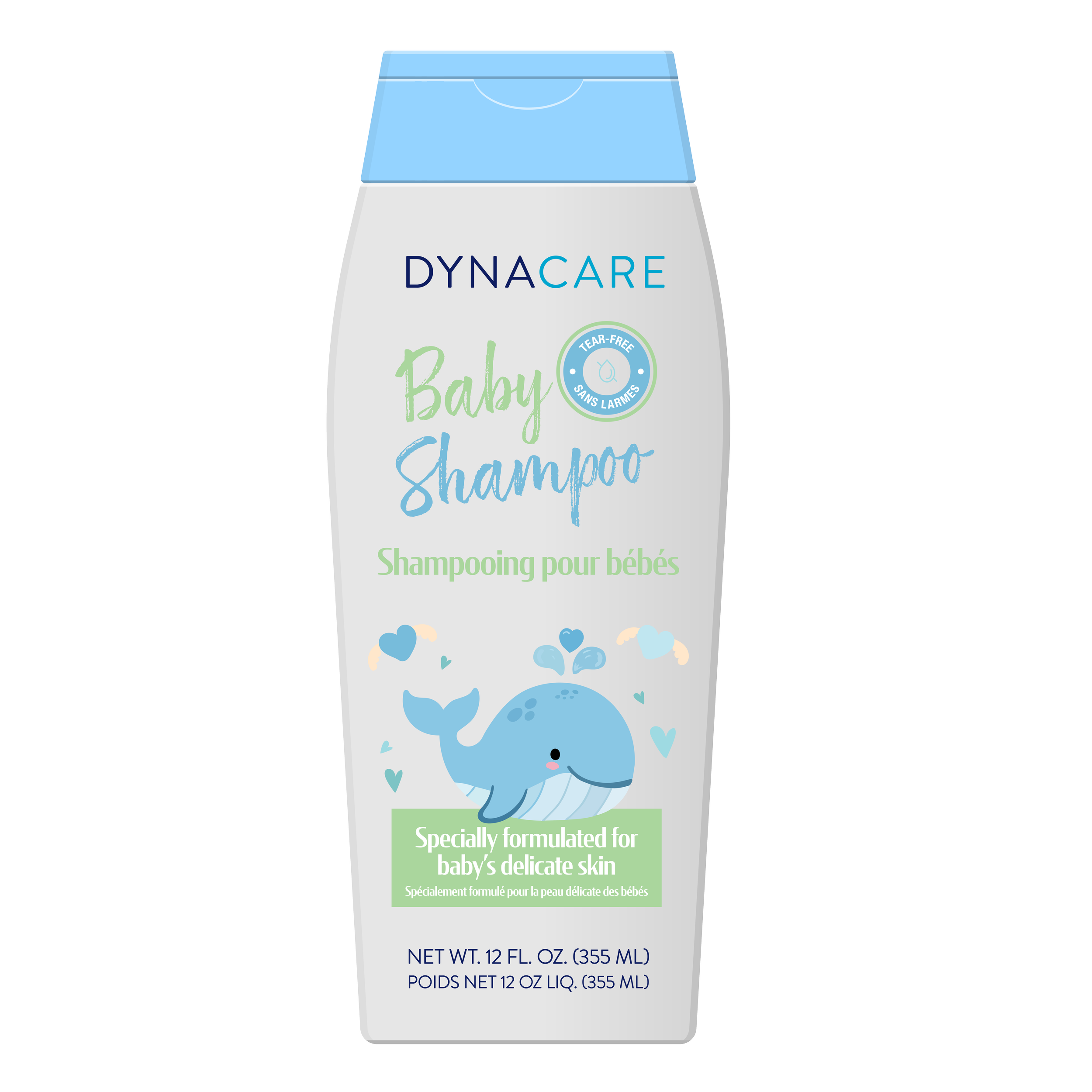
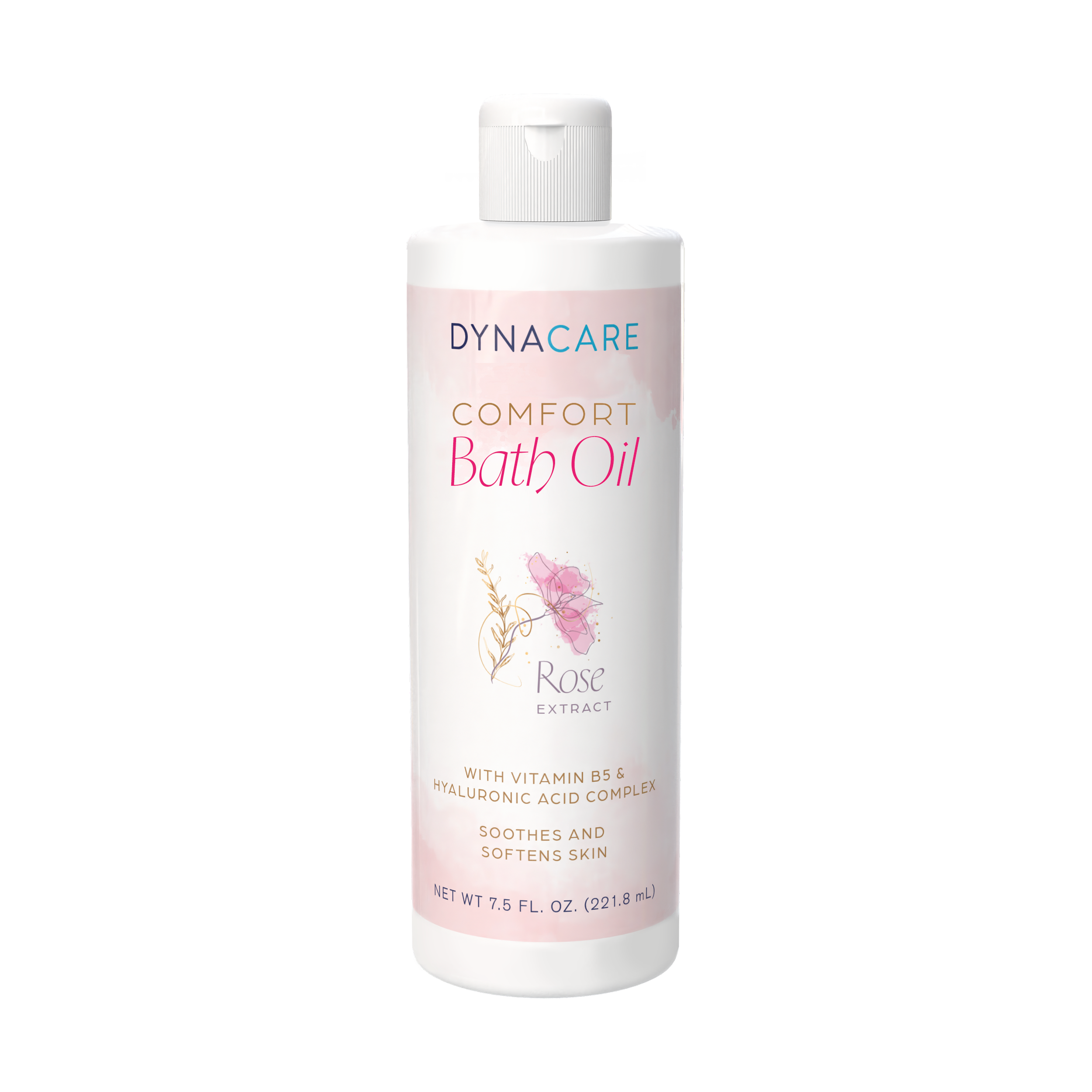
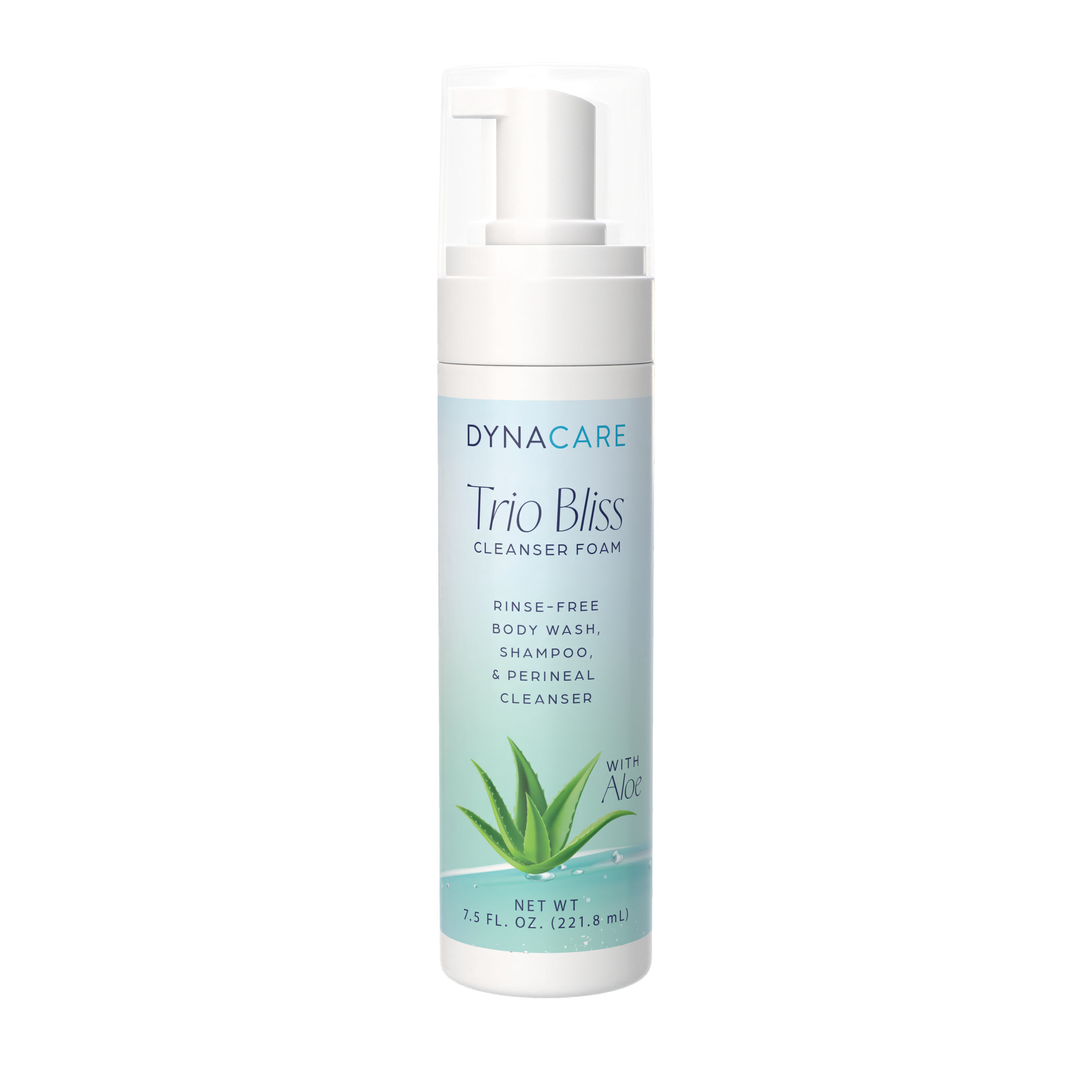
That research helped shape a more consumer-focused direction with stronger benefit messaging, more intentional imagery, and a clearer hierarchy. The goal was to move away from a purely clinical presentation and create something that felt more approachable and relevant to the person actually buying and using the product.
For the B2C work, I worked closely with the E-commerce Director, who acted as creative director and had final approval on the consumer-facing direction.
I brought the research, marketing recommendations, content, and design input into the process, then worked with the Graphics team to carry the approved direction through the packaging.
Research and Marketing Content
The consumer-facing products required content that had not been as important in the original B2B approach.
I developed marketing language and benefit-focused messaging based on my category research, then worked with Regulatory to make sure that content could actually be supported and used on the packaging.
That collaboration was important because the messaging still had to work within the requirements of a healthcare and personal care product. There was always a balance between making the product more appealing to consumers and making sure the information was accurate and compliant.
Cross-Department Collaboration
The project involved much more than Graphics.
I coordinated with the departments involved in product development, regulatory review, product information, marketing, e-commerce, and final approvals. Because some products were staying B2B while others were moving B2C, it was important that everyone understood which direction applied to each product.
Part of my role was keeping those conversations moving, tracking where projects stood, and helping translate feedback from different departments into clear direction for the design team.
Creating a More Consumer-Friendly Direction
For the B2C products, we began moving away from the more traditional institutional look and toward packaging that felt softer and more approachable.
That included more thoughtful color palettes, stronger product hierarchy, icons and benefit callouts, and imagery that helped create more of a connection with the consumer. The goal was to make the products easier to understand while giving each one enough personality to compete within its own category.
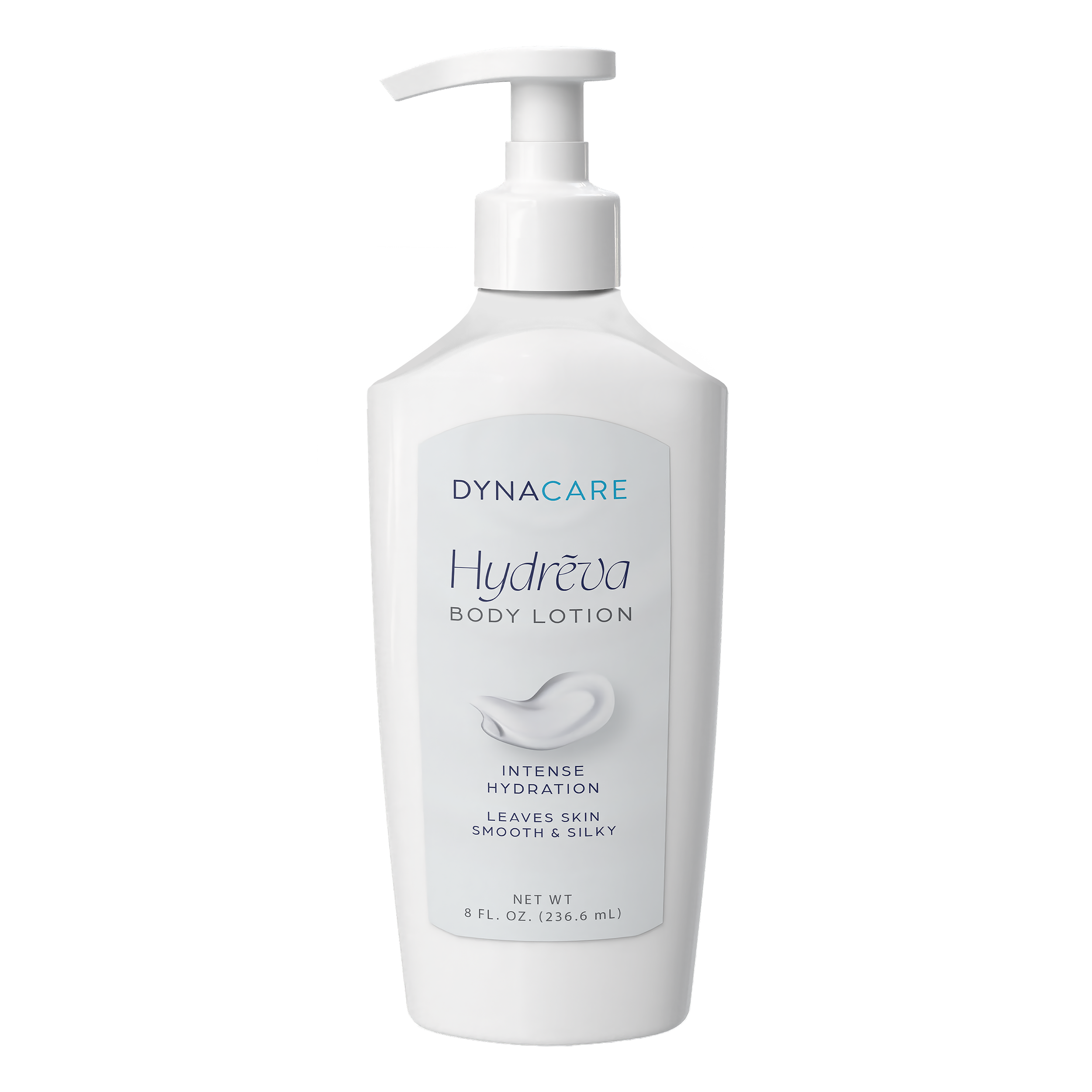
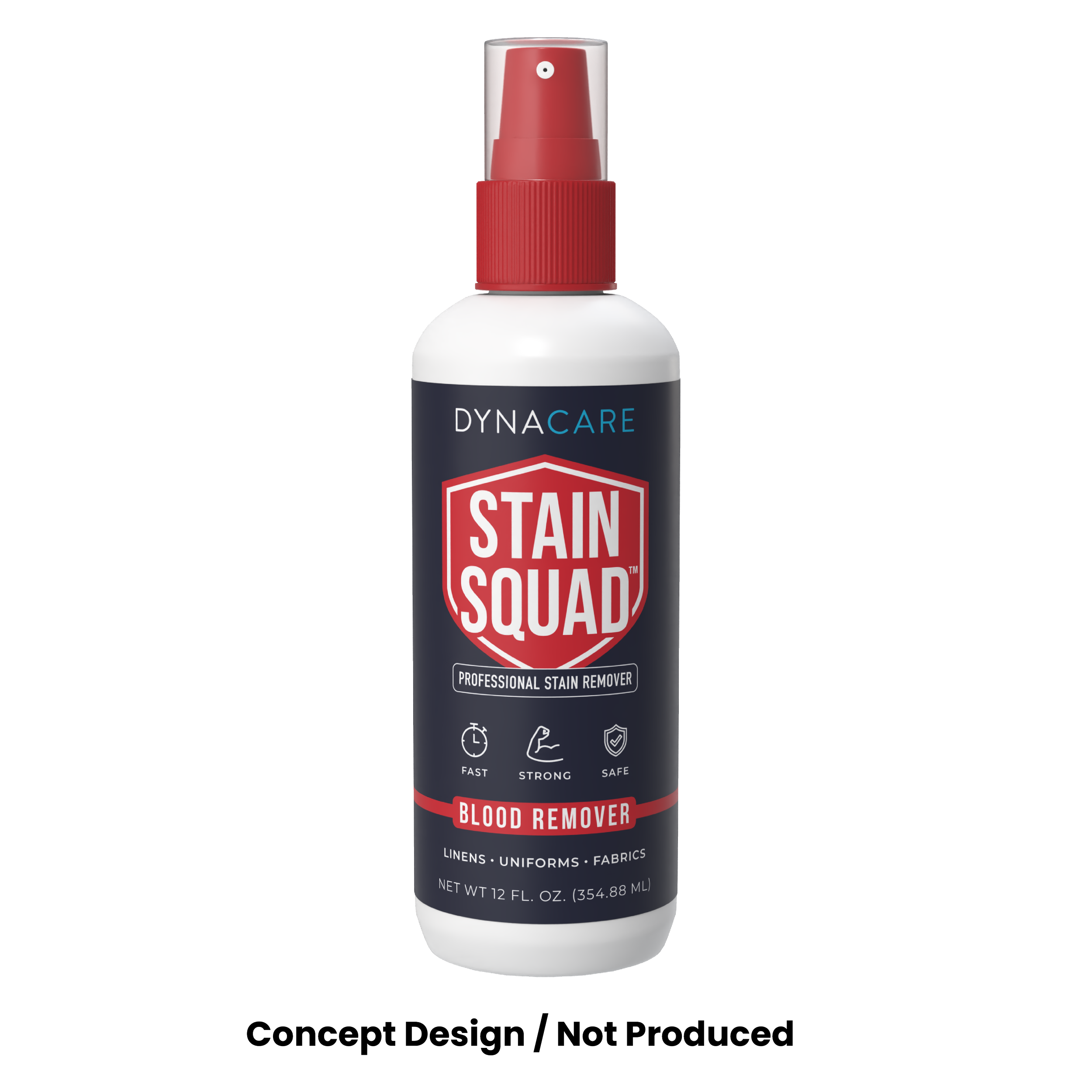
Some of the concepts also gave me more room to explore a more premium, brand-driven approach rather than simply applying a standard template across every product.
The Result
The DynaCare update was not about forcing every product into one template. It was about creating a brand system flexible enough to work for both professional healthcare and consumer markets.
The B2B products maintained the clarity and professionalism needed for healthcare environments while moving toward a cleaner, more current look.
The B2C products went further, adding the research, messaging, imagery, and stronger visual storytelling needed to compete in e-commerce.
For me, the project brought together creative leadership, project management, market research, marketing content, regulatory collaboration, and cross-department communication. It also required knowing when consistency was important and when the audience and sales channel justified taking a product in a different direction.